There are fish tanks, and then there are underwater theaters.
Most people are content with the standard setup: a rectangular glass box, some neon gravel, a plastic castle, and a few aimless goldfish. It is pleasant, but it is passive. It sits in the background of a room, largely ignored until feeding time.
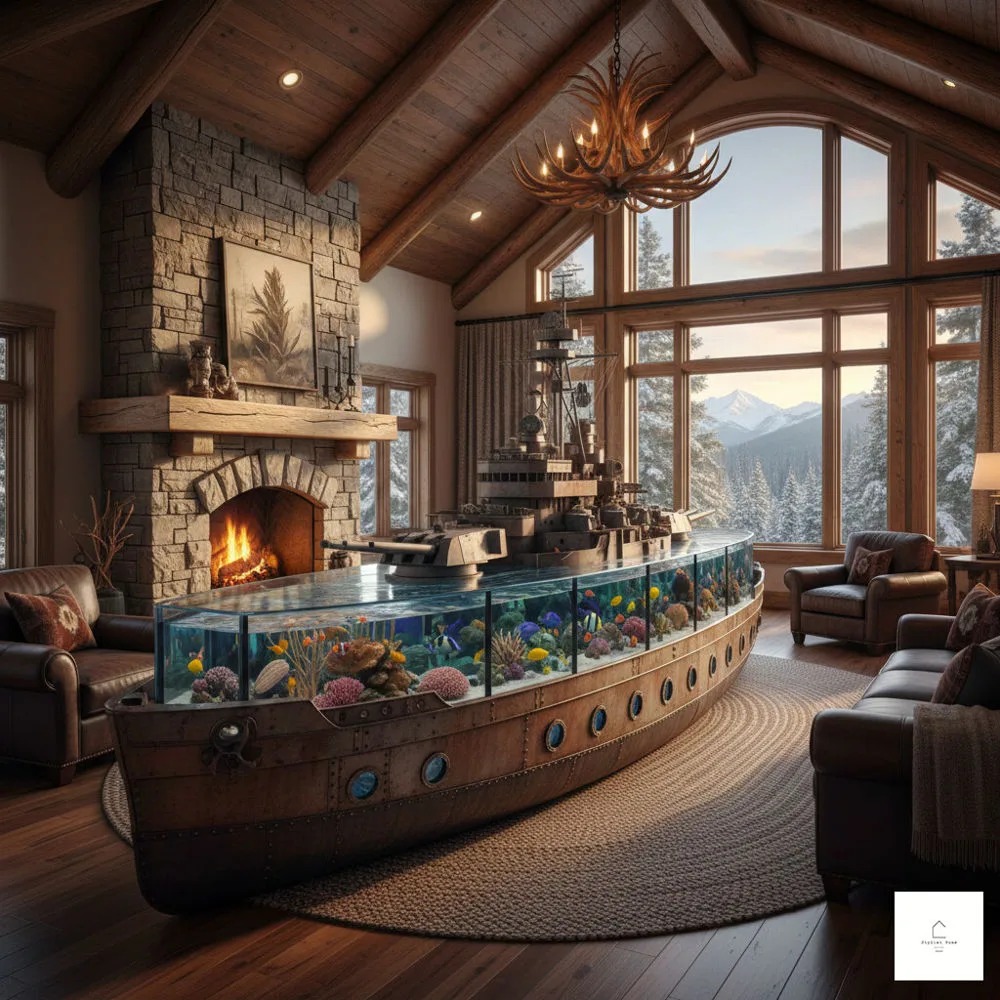
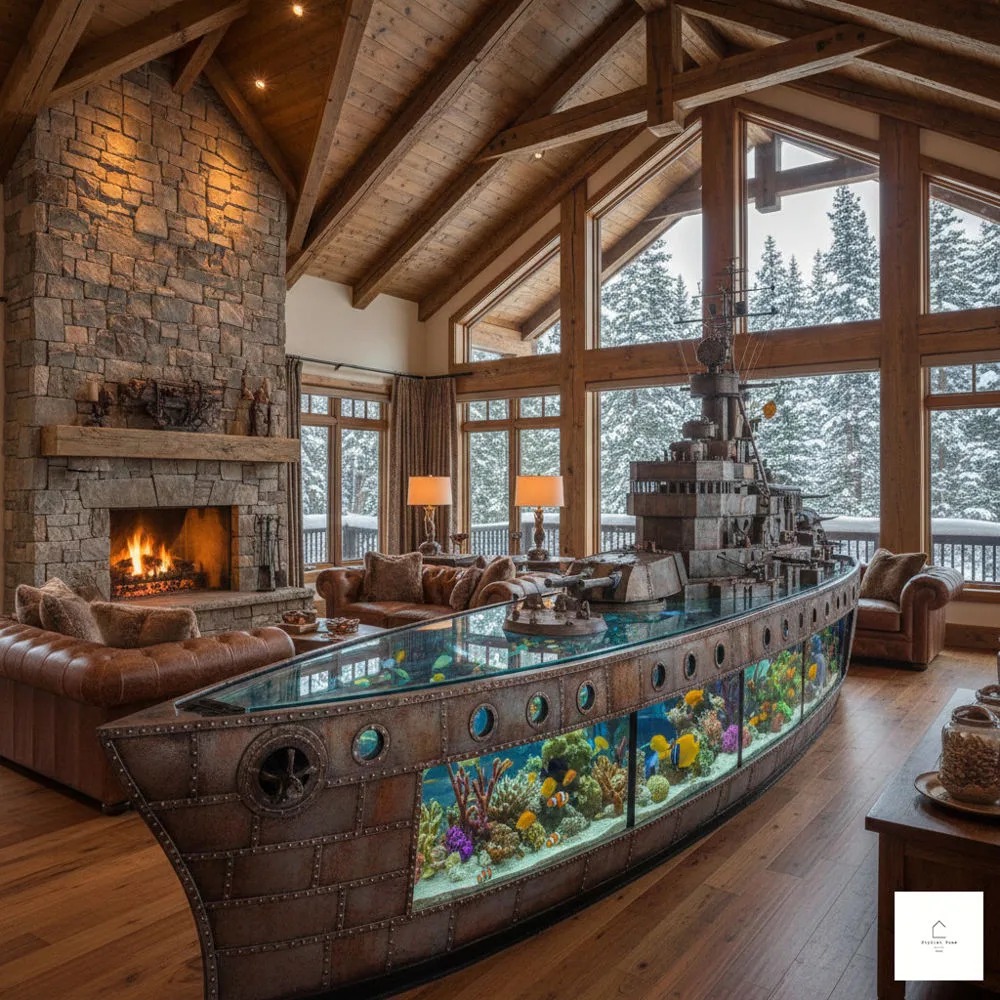
But for a growing subculture of aquarists and military history enthusiasts, the aquarium is a canvas for something far more epic. Imagine walking into a room and seeing the USS Arizona, resting in a silent, green abyss, with schools of neon tetras darting through its superstructure like bioluminescent ghosts. Imagine a waterline tank where a 1:350 scale aircraft carrier sits on the surface, while beneath the waves, a thriving ecosystem supports the vessel.
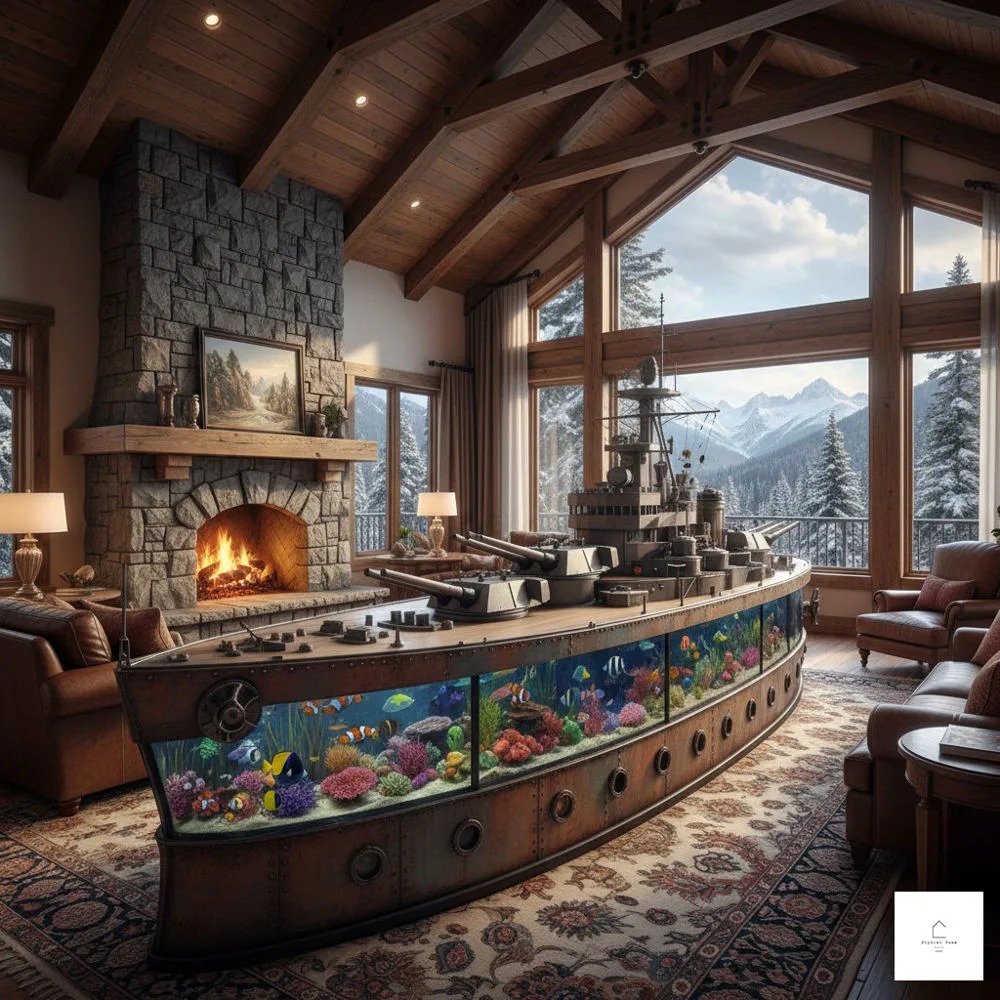
This is the world of the Naval Ship Aquarium.
It is where precise scale modeling meets the chaos of nature. It is a hobby that demands patience, engineering, and an eye for drama. In this feature, we are going to explore why this specific design choice is becoming the ultimate “flex” for home interiors, and how you can command your own fleet beneath the waves.
The Intersection of Two Obsessions
To understand the appeal of the Naval Ship Aquarium, you have to understand the two hobbies it merges.
On one side, you have Scale Modeling. These are the perfectionists. They spend hundreds of hours gluing thousands of tiny plastic parts to recreate the Bismarck or the Yamato down to the rivet. Their enemy is dust. Their goal is historical accuracy.
On the other side, you have Aquascaping. These are the gardeners of the water. They understand nitrogen cycles, CO2 injection, and flow rates. Their enemy is algae. Their goal is a balanced ecosystem.
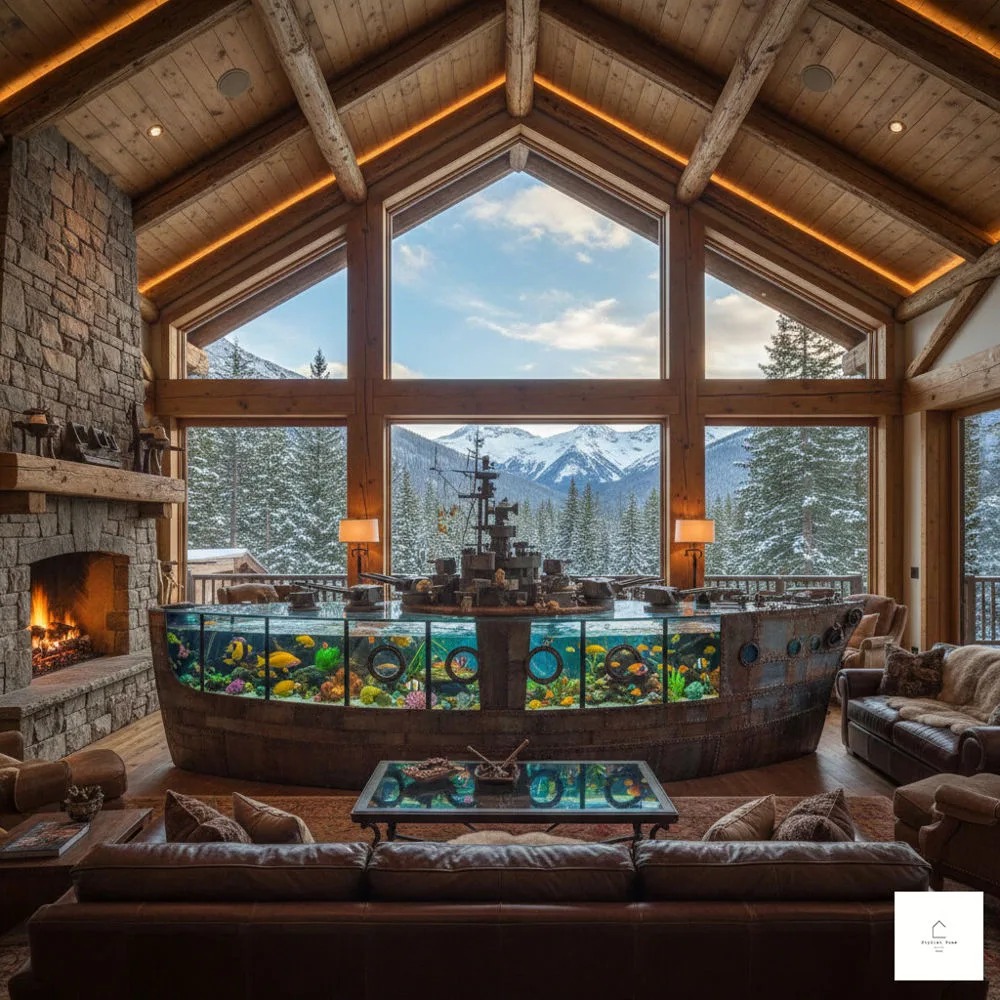

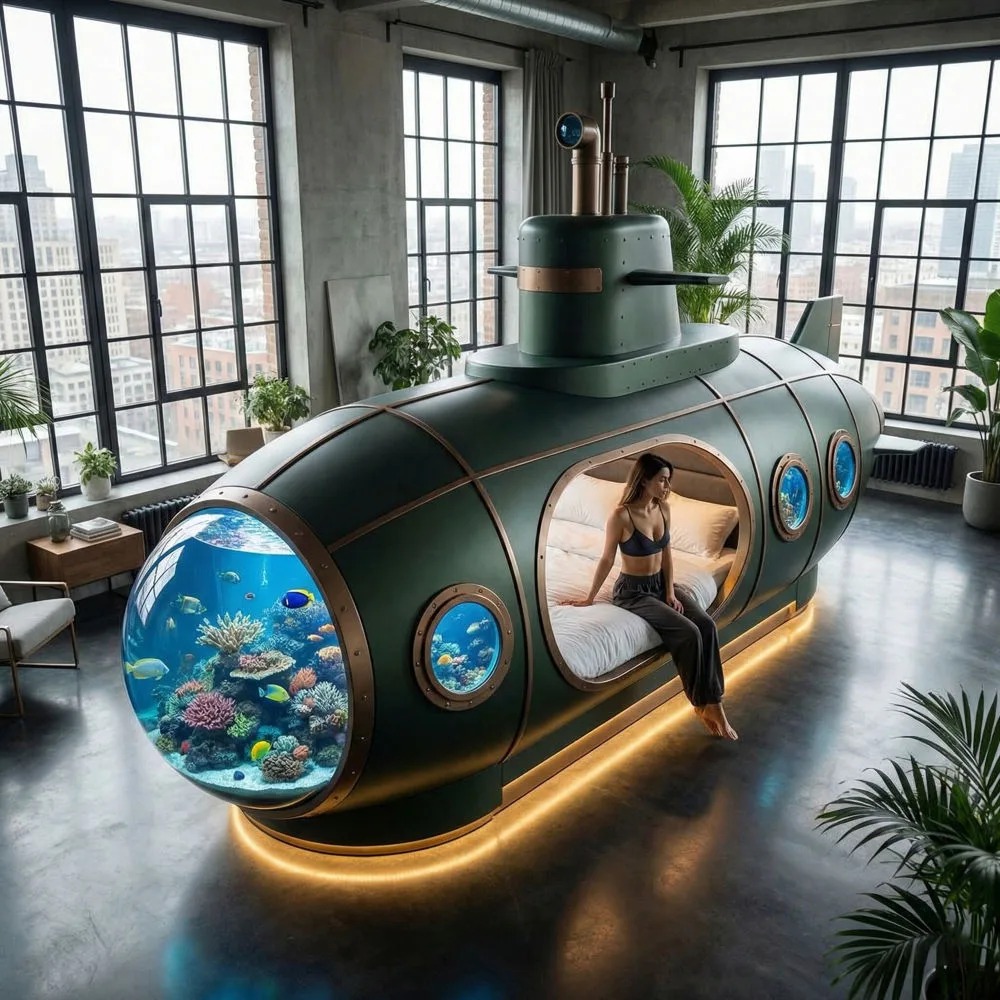

When you combine them, you get something profound. You are placing a symbol of industrial power (steel, guns, radar) into the one environment that eventually claims everything: the ocean. There is a poetic beauty in seeing a machine of war being reclaimed by nature, covered in moss, becoming a home for peaceful shrimp and fish.
The Two Philosophies: The “Wreck” vs. The “Fleet”
When planning a Naval Ship Aquarium, you generally fall into one of two design camps. Both are stunning, but they tell very different stories.
1. The Ghost Fleet (The Sunken Diorama)
This is the most popular and atmospheric choice. The concept is simple: The ship has gone down.
- The Aesthetic: This relies on “wabi-sabi”—the beauty of imperfection and decay. You take a pristine model kit and intentionally distress it. You paint rust streaks, you break the mast, you tilt the hull into the sand substrate.
- The Plant Life: This is crucial. You use Java Moss or Anubias to mimic seaweed taking over the deck. Over time, the plants actually attach to the plastic model. The ship becomes part of the reef.
- The Vibe: It is moody, mysterious, and serene. It captures a specific moment in time, frozen forever on the ocean floor.
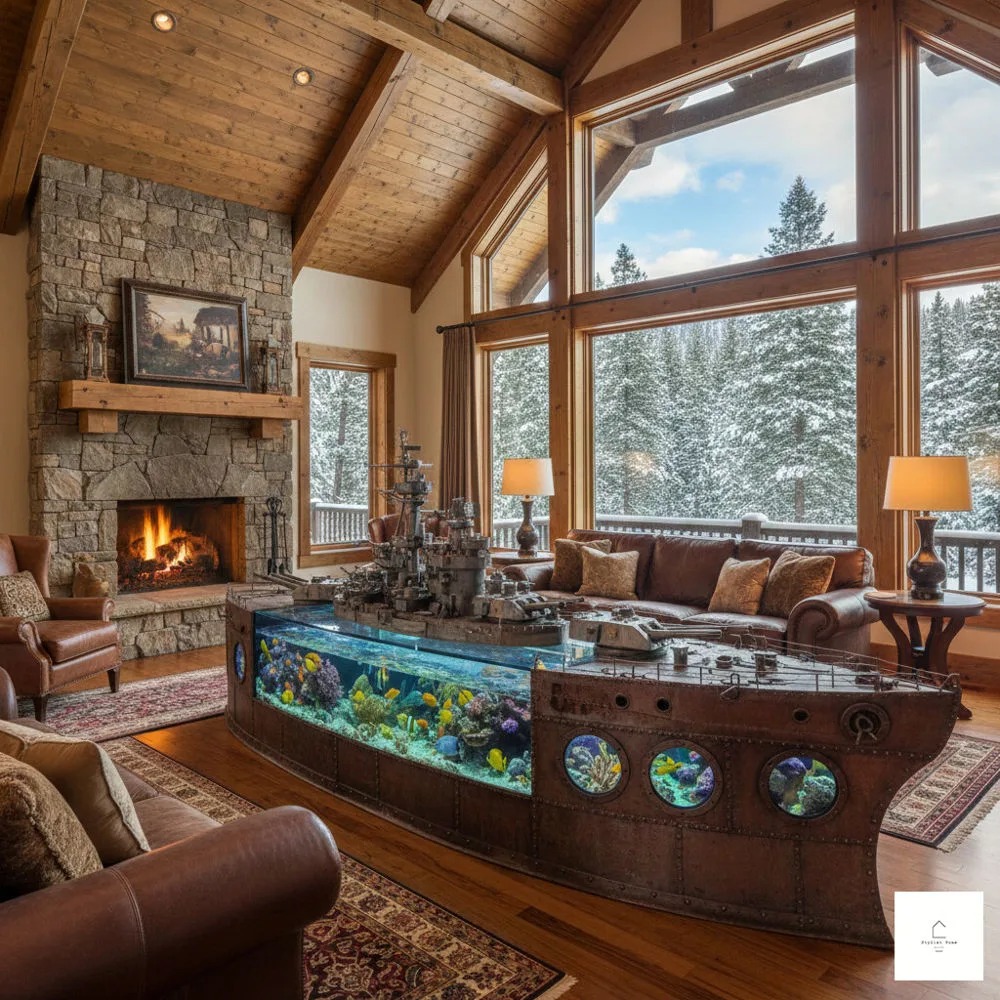
2. The Surface Strike (The Waterline Split)
This is the technically difficult “high-concept” approach.
- The Concept: The aquarium water level is kept at about 70%. The ship is mounted so it sits exactly at the water’s surface.
- The Visual: When you look at the tank, you see the top of the ship (guns, bridge, flags) in the open air. Below the waterline, you see the hull (propellers, rudder) submerged.
- The Challenge: You have to trick the eye. The ship needs to look like it is floating, but it must be rigidly mounted so it doesn’t drift into the glass. It creates a stunning “cross-section” view of the ocean.
The Engineering Challenge: Not Your Average Plastic Toy
You cannot simply buy a plastic model kit from a hobby store and drop it into a fish tank. If you do, three things will happen:
- The glue will dissolve, releasing toxins.
- The paint will flake off, poisoning the fish.
- The ship will bob to the surface because it is full of air.
Creating a safe Naval Ship Aquarium requires “aquarium-proofing” your fleet.
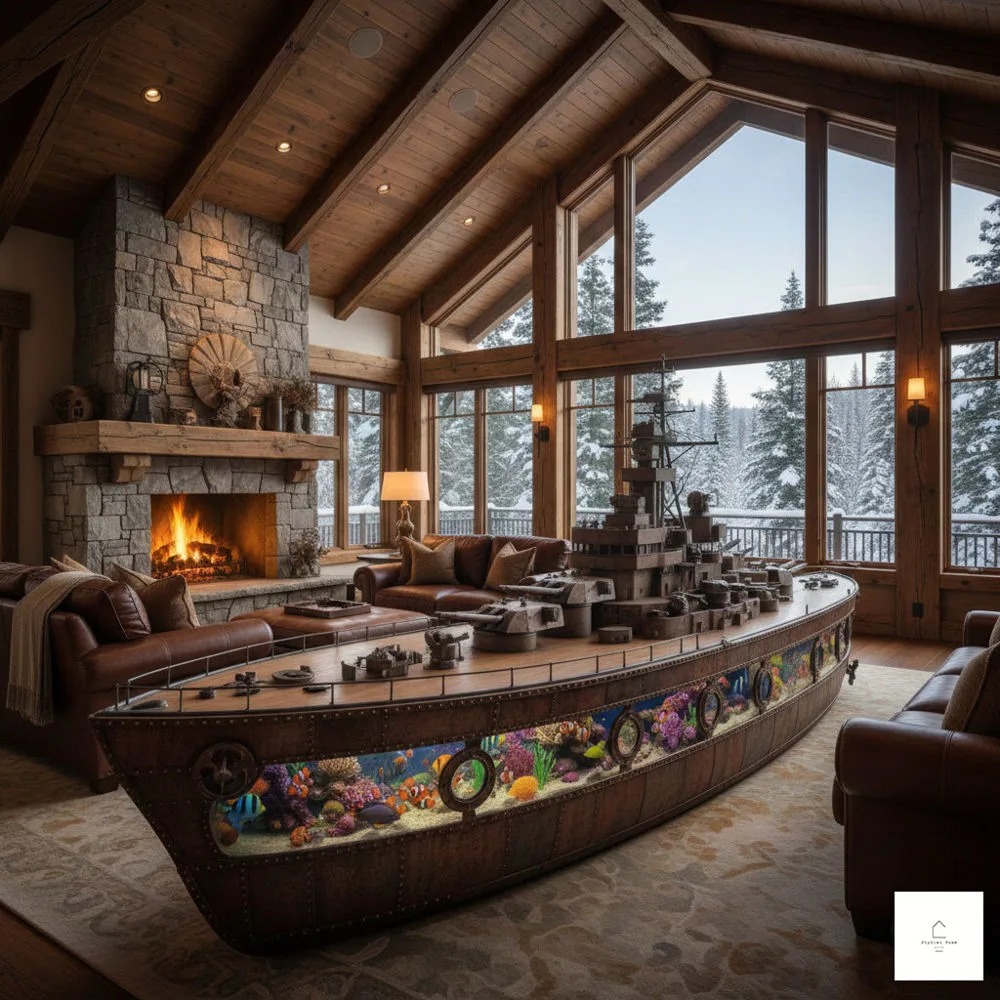
The Weight Problem
Plastic battleships are designed to be light. To sink a battleship (intentionally), you have to become a marine engineer. Serious hobbyists fill the hull of the model with aquarium-safe epoxy resin mixed with lead fishing weights. This ballast ensures the ship sits heavy on the bottom and doesn’t drift when the filter current hits it.
The Toxicity Barrier
Standard model paints are full of chemicals that are deadly to fish. To make a ship “reef safe,” you have to seal it.
- The Secret Weapon: Clear, food-grade epoxy resin. After painting and weathering the ship, the entire vessel is coated in a thin, invisible layer of resin. This “glass” coating locks the paint in and keeps the water out. It preserves the detail while protecting the biology of the tank.
Crewing Your Vessel: Choosing the Right Fish
Scale is everything in a Naval Ship Aquarium. If you put a 6-inch Goldfish next to a 1:350 scale destroyer, the Goldfish looks like Godzilla. It ruins the illusion immediately. To sell the fantasy, you need “Nano Fish.”
The “Torpedoes” (Neon Tetras)
A school of 50 Neon Tetras is the perfect accompaniment to a grey steel hull. Their synchronized swimming patterns mimic the movement of torpedoes or fighter jets. The flash of blue and red provides a stark contrast to the military grey of the ship.
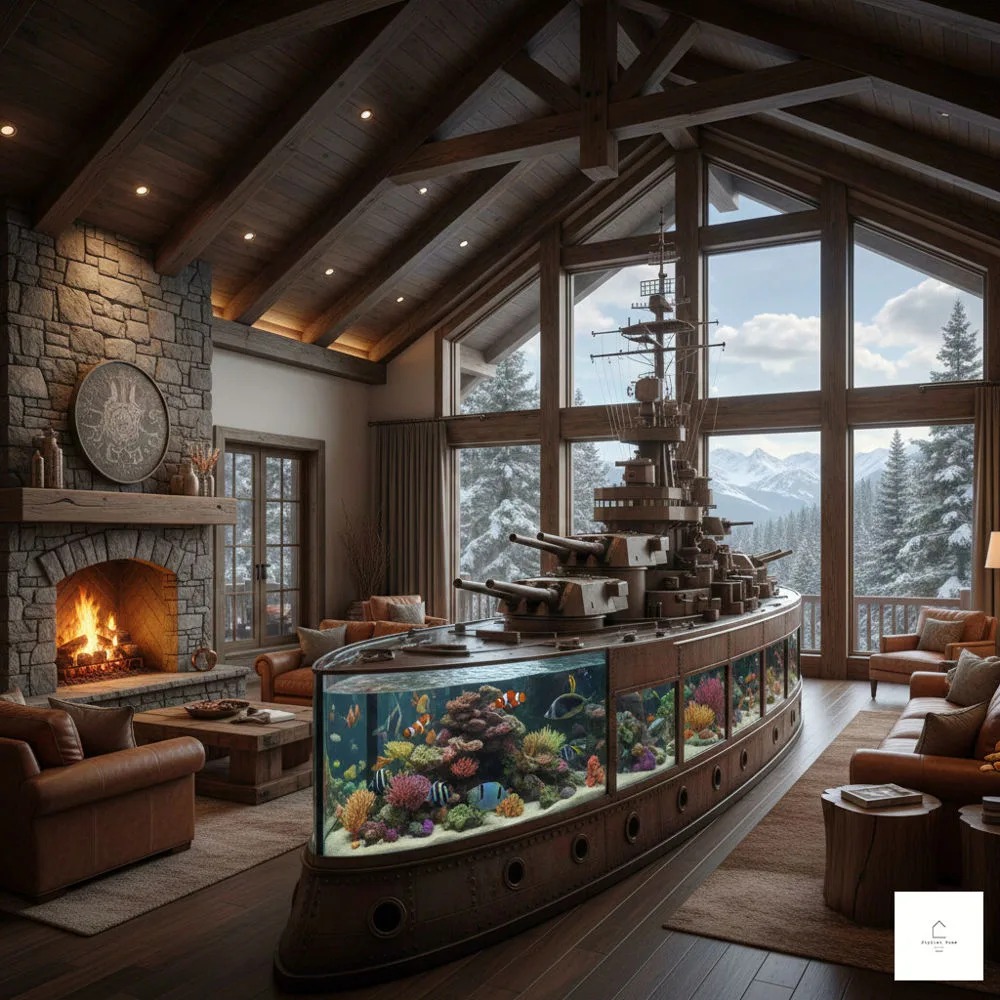
The “Maintenance Crew” (Amano Shrimp)
Shrimp are the best friends of the naval aquarist. Why? Because they clean the deck. Imagine watching a tiny shrimp crawl across the main battery guns of a battleship, picking off algae. It looks like a deckhand scrubbing the ship. They add a level of micro-realism that is fascinating to watch for hours.
The “Sea Monsters” (Kuhli Loaches)
These eel-like fish love to hide in caves. If you leave the hangar bay of an aircraft carrier open, the loaches will make it their den. Seeing an eel poke its head out of a torpedo tube is a moment of pure delight.
Lighting: Setting the Defcon Level
A standard white aquarium light is fine, but to truly make a Naval Ship Aquarium pop, you need to treat it like a movie set.
The “Sonar” Blue: Using deep blue LED lights creates a night-time deep-sea effect. It makes the ship look like it is resting miles beneath the surface. White parts of the ship (like hull numbers) will glow faintly, creating a ghostly silhouette.
The “Red Alert” Mode: Some high-end LED systems have a red spectrum. Bathing a sunken submarine in red light creates an intense, cinematic “Hunt for Red October” atmosphere. It’s perfect for late-night viewing when you want the room to feel moody.
The Spotlight Effect: Instead of lighting the whole tank evenly, use a single spotlight beam directed at the bridge or the bow of the ship. This creates dramatic shadows. It makes the wreck look like it is being discovered by a submersible’s searchlight.

The Conversation Piece Factor
Let’s be honest about interior design. We all want things in our homes that make guests stop and say, “Wow, what is that?”
A Naval Ship Aquarium is the ultimate conversation piece. It appeals to everyone.
- The History Buff wants to know if that is the USS Missouri or the Yamato.
- The Nature Lover is fascinated by how the plants are growing around the rudder.
- The Tech Geek wants to know how you waterproofed the model.
It tells a story. It isn’t just “decoration.” It is a frozen narrative. Is the ship waiting to be raised? Is it a monument to a past battle? It invites the viewer to use their imagination in a way that a generic landscape painting never could.
Conclusion: Captain of Your Own World
The hobby of keeping fish is often about control—controlling water parameters, controlling light, controlling diet. The hobby of model building is about precision.
The Naval Ship Aquarium is where these two worlds collide to create art. It allows you to be the admiral of a fleet and the god of an ecosystem simultaneously. It captures the grandeur of human engineering and humbles it before the power of nature.
Whether you choose to build a pristine carrier group sailing on the surface or a rusted destroyer lost to the depths, you are building a world. You are creating a window into the deep, where history sleeps and life finds a way.
So, clear off the bookshelf. reinforce the table. It is time to lay the keel of your new flagship. The ocean is waiting for its commander.