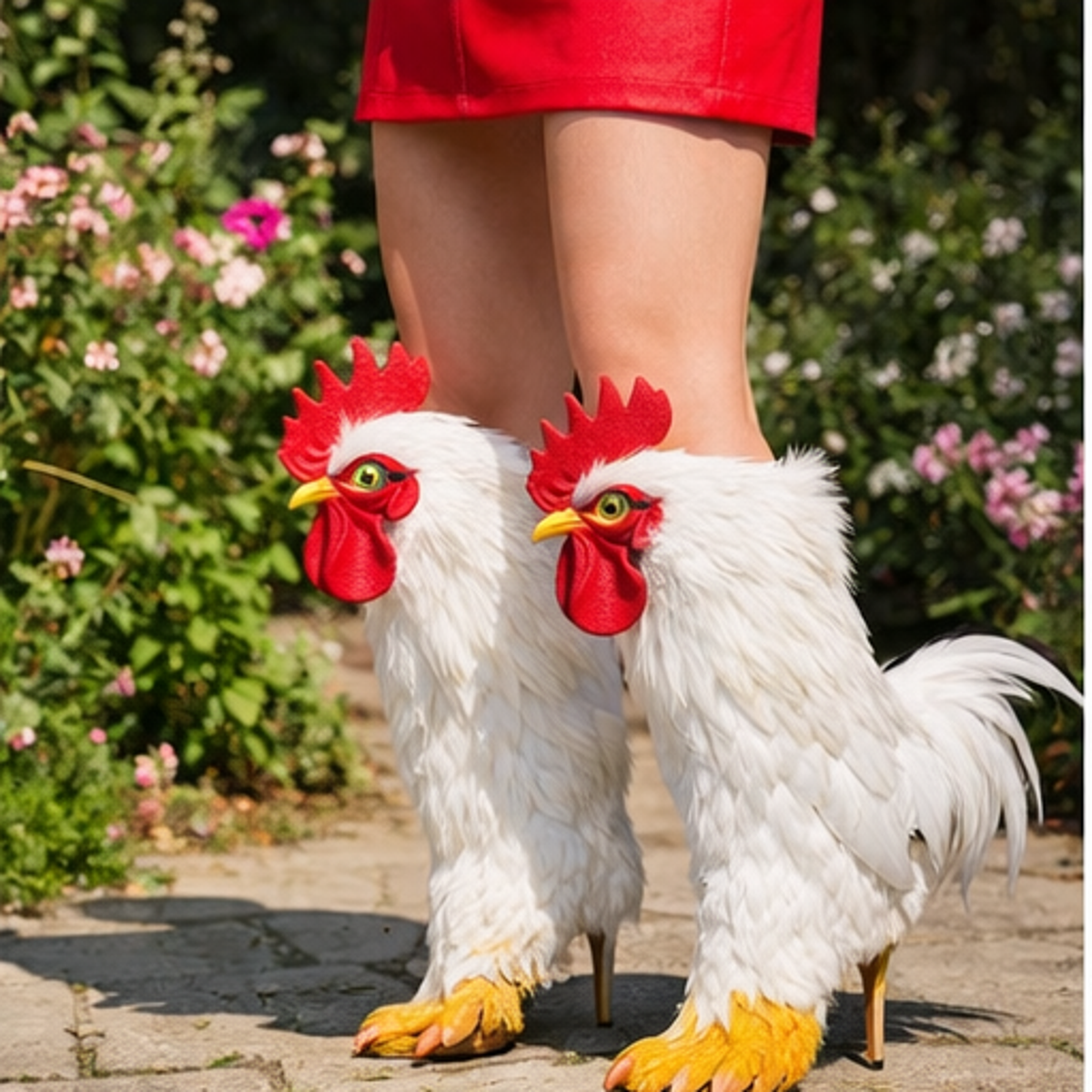
In the rapidly expanding world of backyard homesteading and urban farming, the health and happiness of the flock have taken center stage. As we move through 2026, chicken keepers are no longer satisfied with just providing basic grain and a wooden box. They are looking for innovative ways to enhance the physical well-being of their birds. This pursuit of avian excellence has led to the surprising yet highly practical rise of Chicken Boots.
While the concept might sound whimsical at first, Chicken Boots are a vital tool for the serious poultry enthusiast. Much like a dedicated athlete needs the right footwear, or a lake-goer relies on their Chicken Boots for a weekend of high-energy stability and fun, a chicken needs specialized protection to navigate the challenges of the backyard terrain. From medical recovery to protection against extreme weather, these small boots are making a massive impact on the poultry world.
What Are Chicken Boots and Why Do They Exist?
Chicken Boots are specially engineered protective shoes designed to fit the unique anatomy of a bird’s foot. Unlike human shoes, which focus on fashion and arch support, poultry footwear is primarily functional. They are typically made from soft, flexible, medical-grade silicone or durable neoprene that allows for a full range of motion while providing a barrier between the bird’s sensitive foot and the ground.
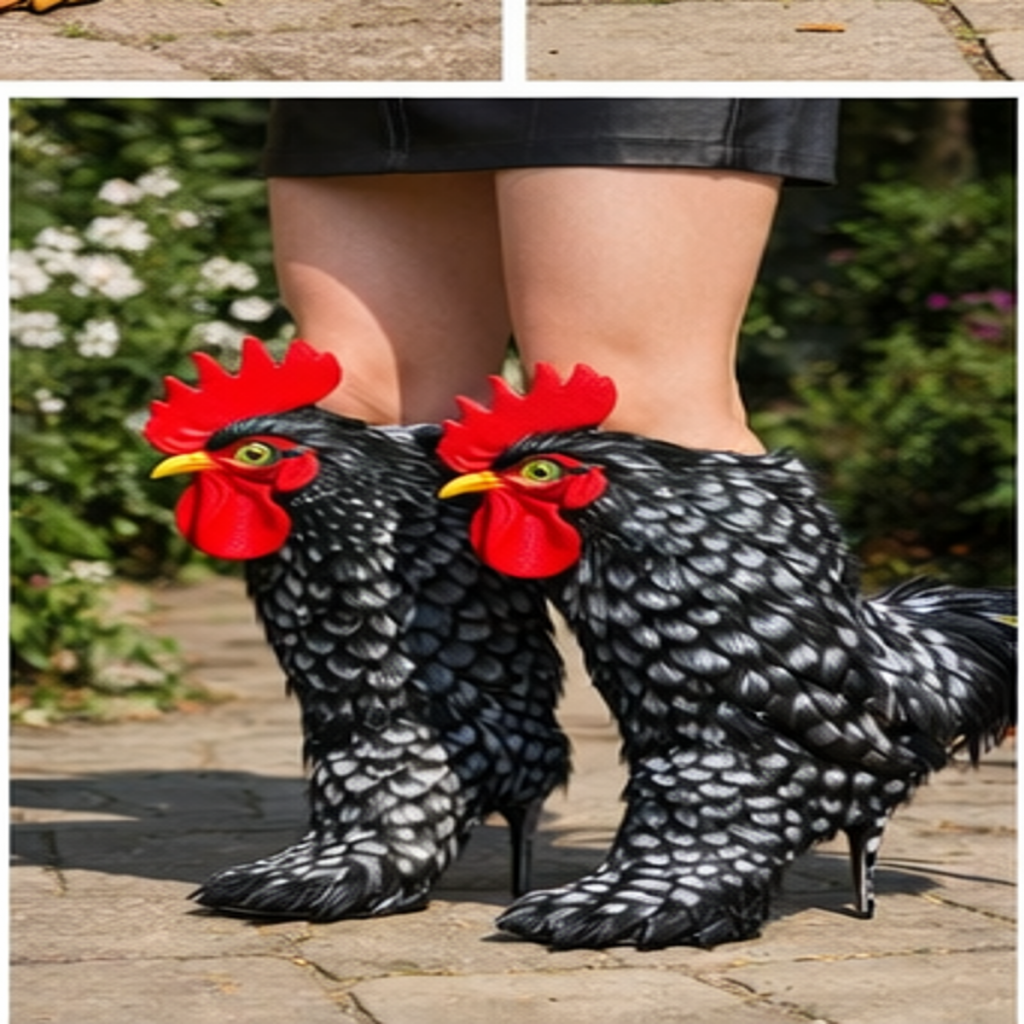
The primary reason for the existence of these boots is the prevention and treatment of foot-related ailments. Chickens spend their entire lives on their feet. They scratch, forage, jump from high roosts, and walk over everything from sharp gravel to muddy patches. Over time, this constant impact can lead to injuries that, if left untreated, can become life-threatening for the bird.
Healing the Flock: Chicken Boots and Bumblefoot
The most common medical application for Chicken Boots is the treatment of Bumblefoot (plantar pododermatitis). Bumblefoot is an inflammatory condition caused by a staph infection, usually triggered by a small cut or scrape on the bottom of the foot.
Traditionally, treating Bumblefoot involved messy bandages, duct tape, and constant re-wrapping, which was stressful for both the bird and the owner. With the advent of modern Chicken Boots, the process has been revolutionized.
- Wound Protection: The boots keep the surgical site clean and dry, preventing secondary infections.
- Cushioning: The padded sole of the boot reduces pressure on the infected area, allowing the bird to walk comfortably during the healing process.
- Stability: Unlike slippery bandages, the textured bottom of the boots provides grip, ensuring the bird doesn’t slip on coop floors.


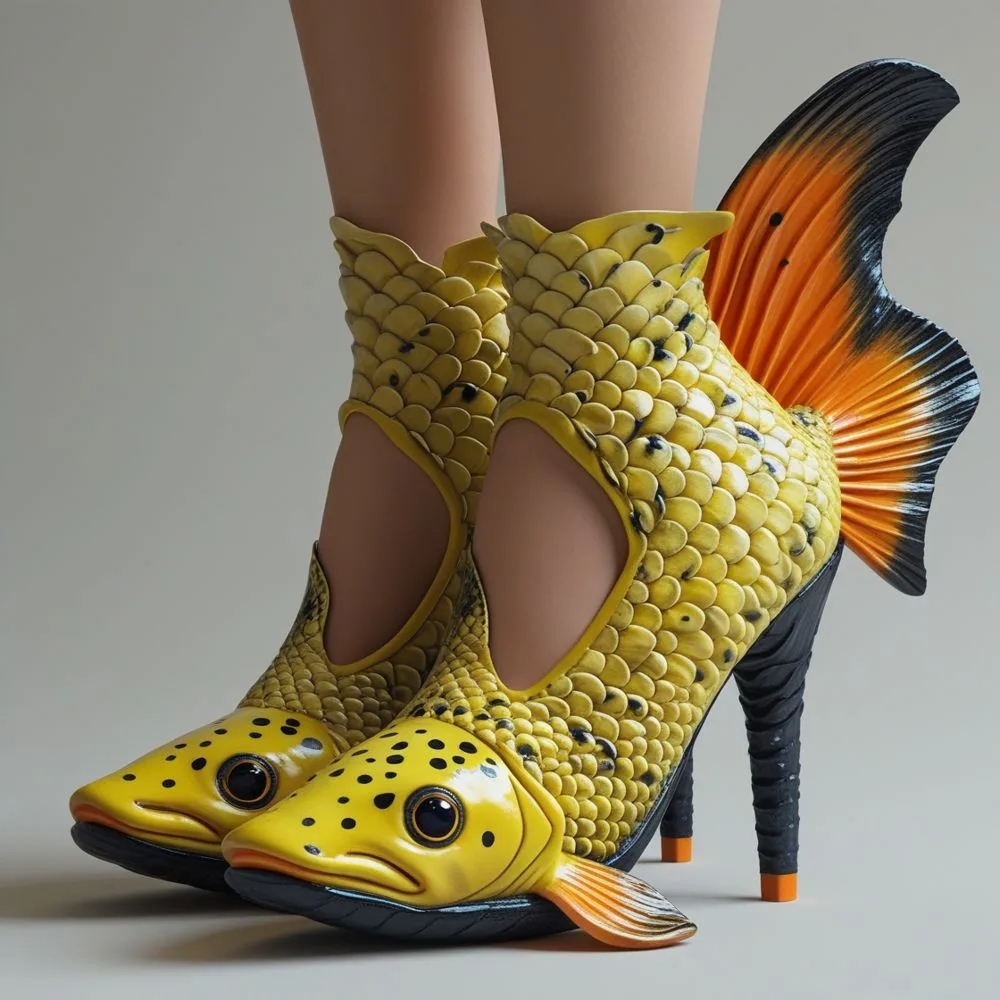
Protection Beyond the Coop: From Hot Pavement to Frozen Ground
Just as you wouldn’t head out to the lake without your Chicken Boots to handle the heat and the water, chickens need protection against environmental extremes.
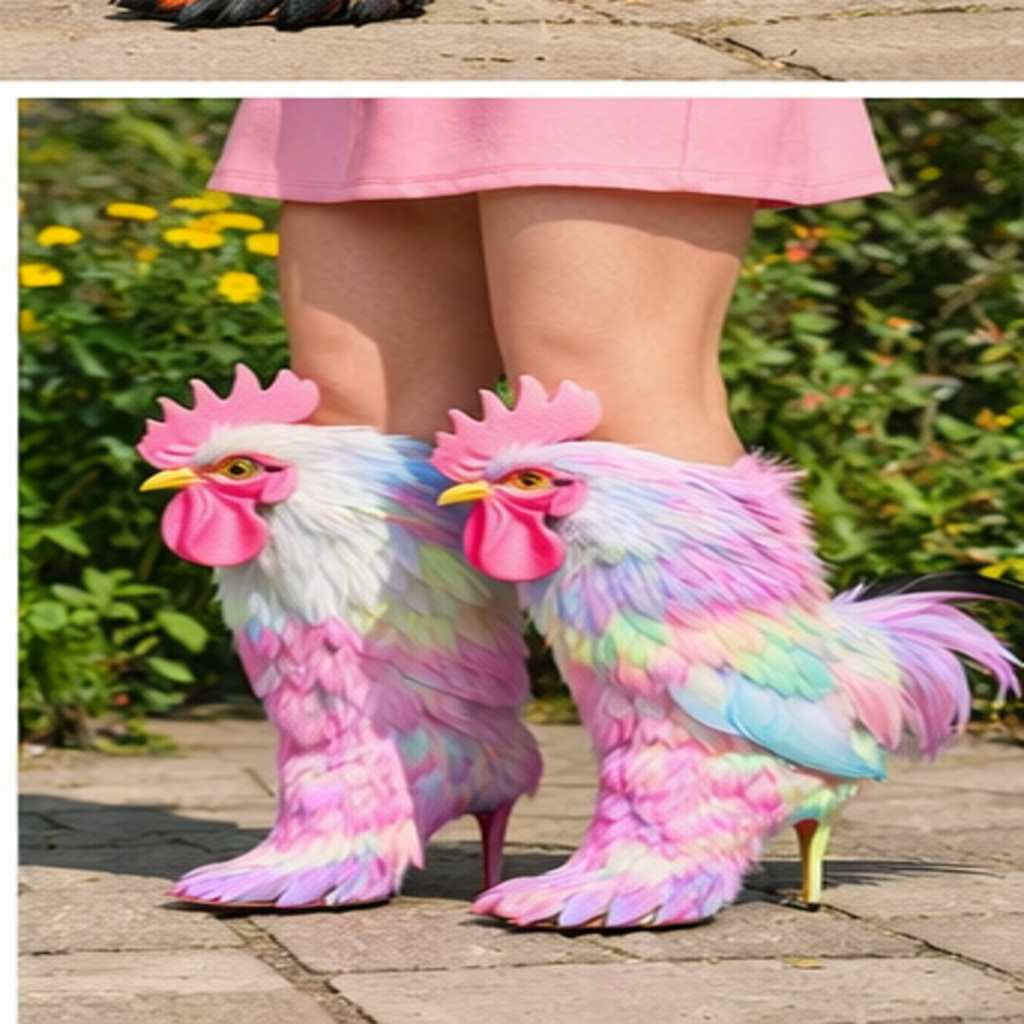
Summer Shielding
In the peak of summer, the ground can reach temperatures that are dangerous for a chicken’s sensitive foot pads. Asphalt, dry sand, and even packed dirt can cause burns. Chicken Boots act as a thermal barrier, allowing your birds to forage safely even when the sun is at its zenith.
Winter Warmth
In colder climates, frostbite is a significant concern for poultry keepers. While chickens are generally hardy, their feet are their most vulnerable point. Boots designed with insulating properties can help maintain blood flow and prevent the freezing of delicate tissue during extreme cold snaps.
The “Inflatable Mechanical Bull Lake Float” Connection: Stability and Safety
You might wonder how a piece of high-end lake gear like anChicken Boots relates to the humble chicken boot. The connection lies in the concept of specialized stability.
When you are on a bull float in the middle of a lake, you are dealing with an unstable, moving environment that requires specific gear to keep you safe and upright. Similarly, chickens often find themselves in slippery or precarious situations—whether it’s a slick coop floor after a cleaning or a muddy run after a rainstorm. Chicken Boots provide the “traction control” necessary for the bird to navigate its world without the risk of a “wipeout” that could lead to leg sprains or broken bones.
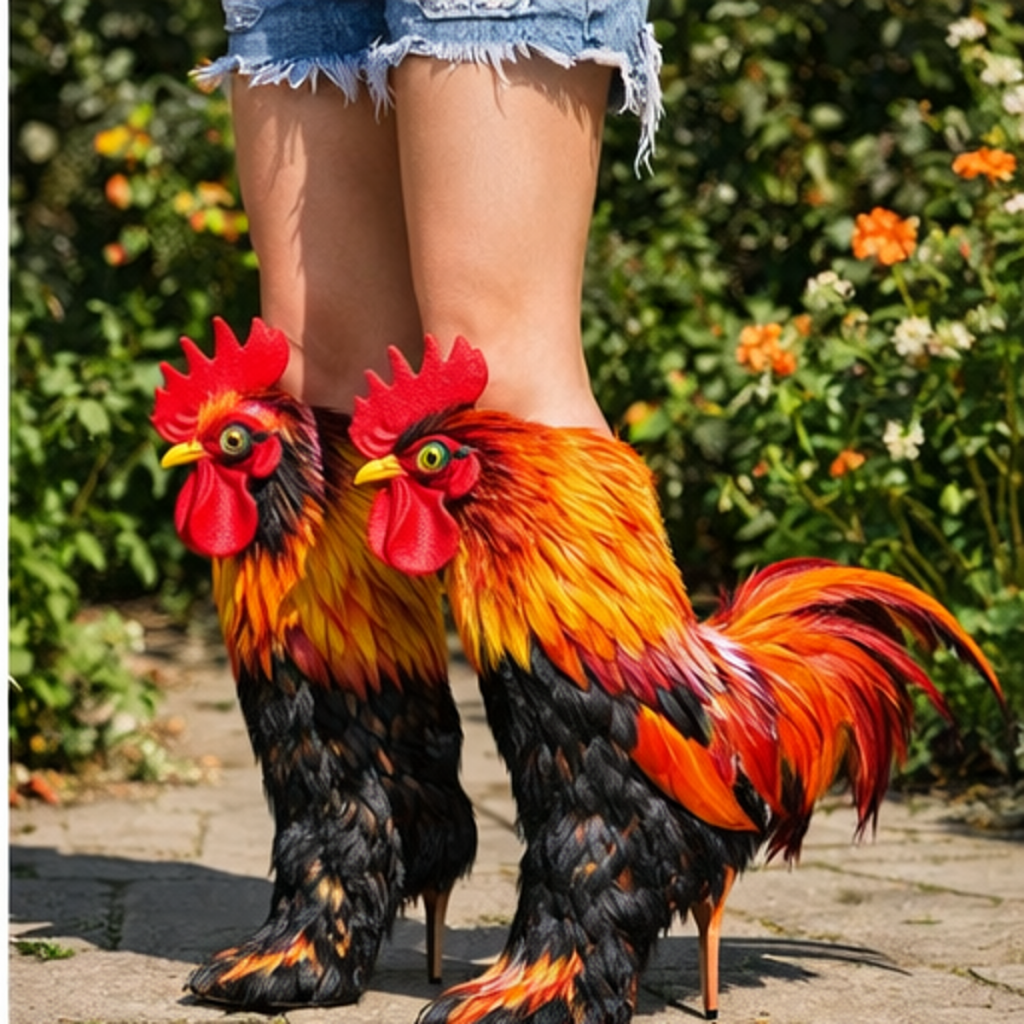
Improving Quality of Life for Senior and Special Needs Birds
As the “pet chicken” movement grows, more owners are caring for senior hens who have reached the end of their laying years but remain beloved members of the family. These older birds often develop arthritis or leg weakness.
Chicken Boots with extra cushioning can significantly improve the quality of life for these senior citizens. By absorbing the shock of walking on hard surfaces, the boots allow older birds to remain active and mobile, which is crucial for their digestive health and overall spirit. For birds with congenital deformities like splay leg or curled toes, custom-fitted boots can provide the structural support needed to help them walk more naturally.
Design and Aesthetics: Style in the Poultry Run
While functionality is the priority, the market for Chicken Boots has embraced a variety of colors and patterns. Today’s backyard farmer wants their flock to look as good as they feel.
- High-Visibility Colors: Neon oranges and yellows help owners spot their birds in tall grass or at dusk.
- Coordinated Patterns: Many owners match their birds’ boots to the aesthetic of their coop or even their own garden attire.
- Reflective Strips: Some modern designs include reflective elements to make the birds more visible to the owner during nighttime coop checks.
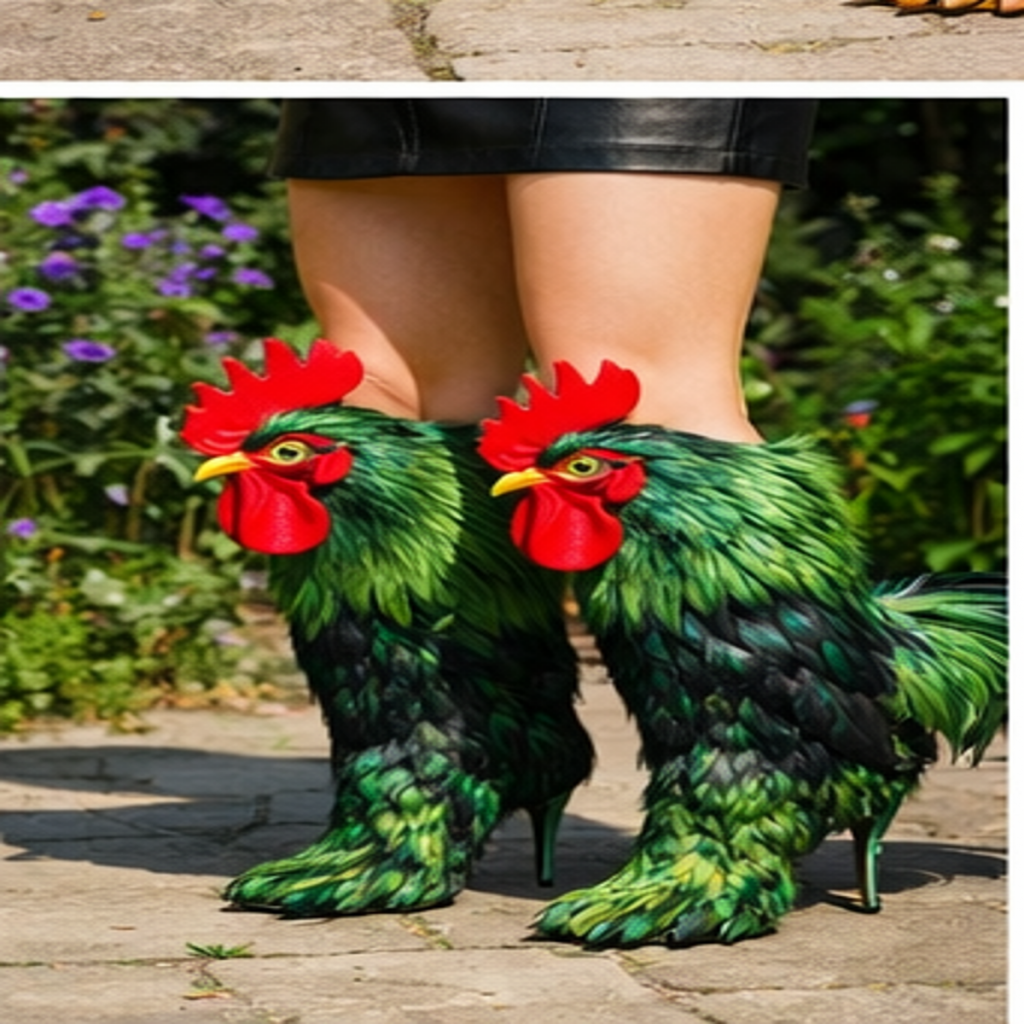
Choosing the Right Size for Your Bird
One of the most critical aspects of using Chicken Boots is ensuring a proper fit. A boot that is too tight can restrict circulation, while one that is too loose can cause the bird to trip.
Most manufacturers categorize sizes based on the breed of the bird:
- Bantam Size: For smaller breeds like Silkies or Sebrights.
- Standard Size: For common breeds like Rhode Island Reds, Orpingtons, and Sussex.
- Giant Size: For larger breeds like Brahmas or Jersey Giants.
To get the best fit, owners are encouraged to measure the width and length of the footpad, including the span of the toes. A well-fitted boot should stay on during a vigorous scratch in the dirt but should not leave any marks on the skin once removed.
Maintenance and Care of Your Chicken Boots
To ensure the boots continue to provide protection, they must be maintained properly. Much like you would clean and dry your Chicken Boots before storing it for the winter, chicken footwear requires a hygiene routine.
- Daily Checks: Remove the boots daily to check the foot for any signs of rubbing or irritation.
- Sanitization: Wash the boots in warm, soapy water and a mild disinfectant to prevent the buildup of bacteria and coop waste.
- Drying: Ensure the boots are completely dry before putting them back on the bird to prevent fungal growth.
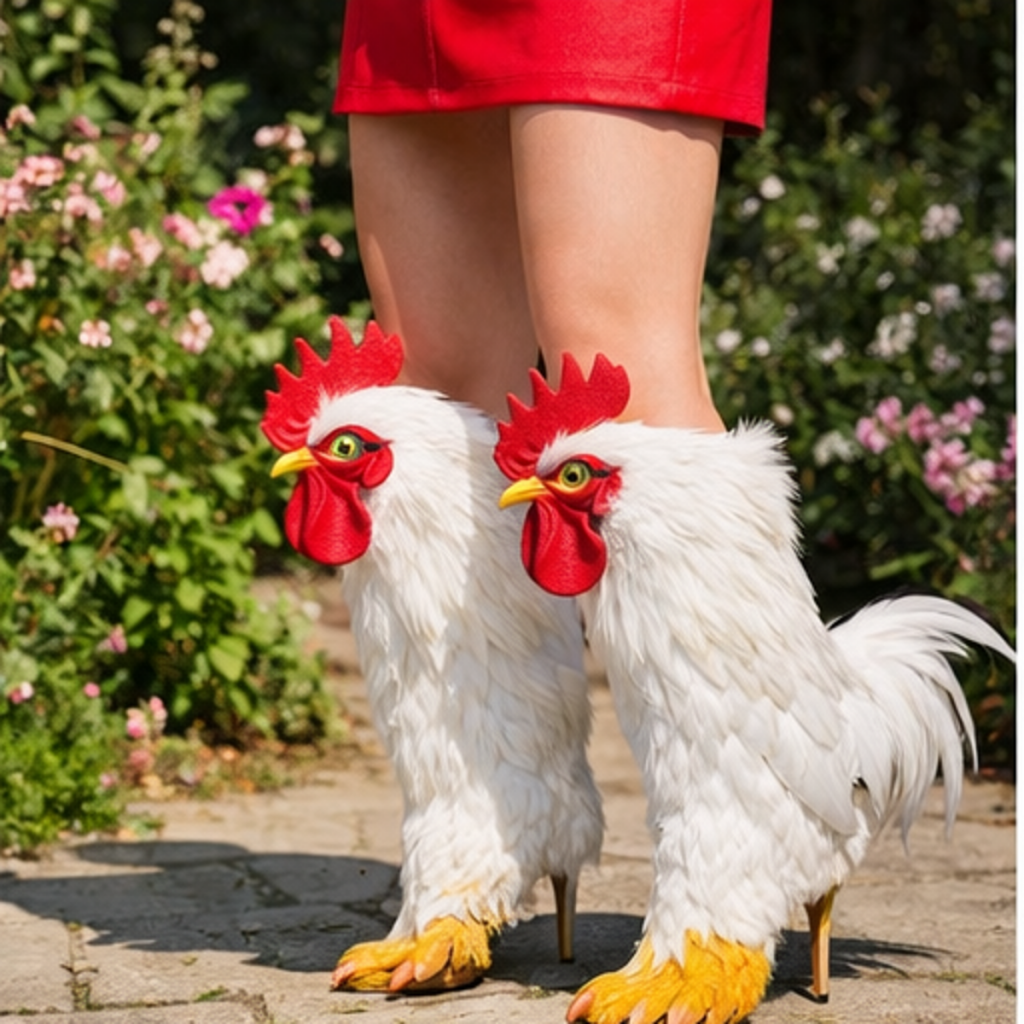
Conclusion: A Step Toward Better Avian Health
The rise of Chicken Boots is a testament to the deepening bond between humans and their feathered companions. What once seemed like a novelty has proven to be a transformative tool in avian medicine and daily care. By providing protection from disease, injury, and the elements, these boots allow our flocks to live longer, more comfortable lives.
Whether you are gearing up for a summer of adventure with your Chicken Boots or simply tending to your backyard garden, remember that every member of the family—even the ones with feathers—deserves the right gear for the job. Investing in a pair of quality boots for your chicken is more than just a quirky fashion choice; it is a commitment to the health and happiness of your flock.